Every spring, new beekeepers open their hives and feel that sinking feeling — a silent box, a small cluster of dead bees, or worse… nothing at all.
It feels like winter killed them.
But here’s the truth:
Most winter colony losses actually begin in spring.
If you’re new to beekeeping, this post will help you understand what really causes winter die-offs — and what to do right now to prevent it next year.
- Weak Spring Build-Up = Weak Winter Cluster
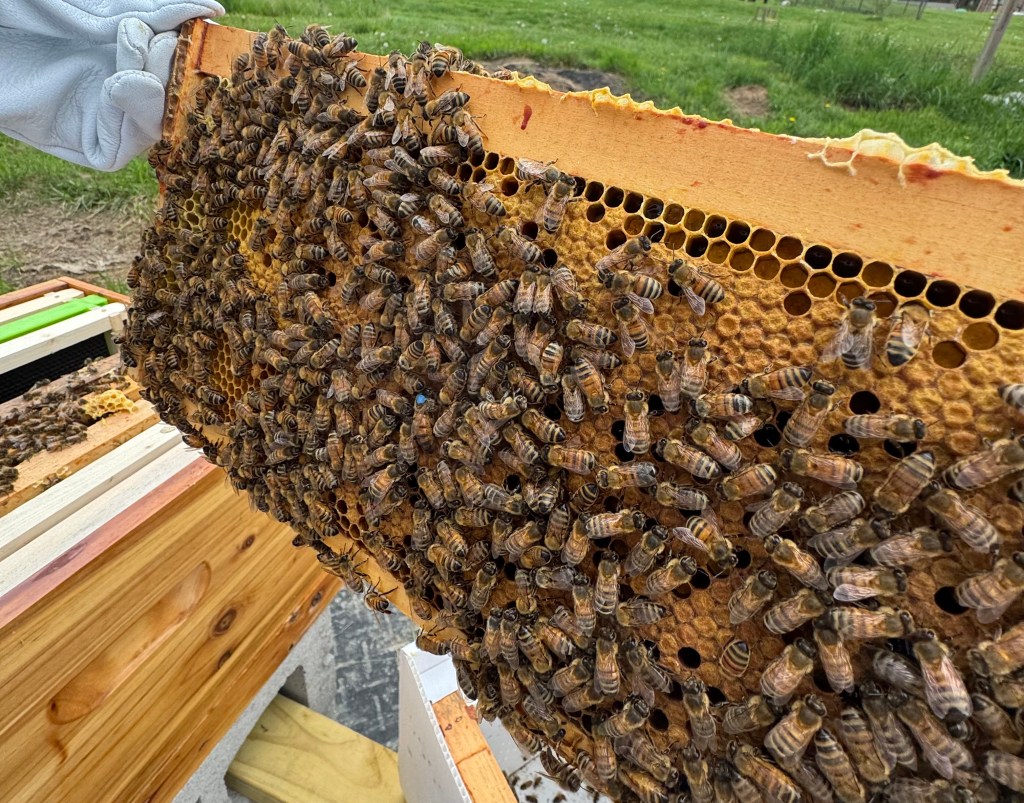
Winter survival depends on one thing above all:
A large, healthy population of young bees going into fall.
That population is built starting in spring.
If your colony:
• Had a failing queen
• Had spotty brood patterns
• Struggled to expand
• Never filled the second brood box
…it likely went into fall too small to survive.
What to do this spring:
• Check brood pattern quality
• Replace poorly performing queens early
• Ensure consistent egg laying by April/May
• Support steady growth through nectar flows
👉 Goal: By mid-summer, your colony should be booming — not barely holding on.
2. Poor Early Nutrition Creates Weak Winter Bees
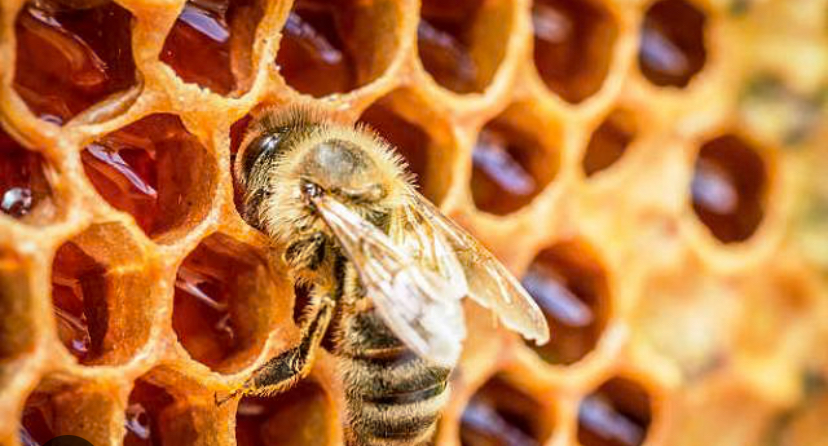
Bees that survive winter are called “fat bees.”
They’re raised in late summer and fed properly so they can live for months instead of weeks.
But nutrition problems often start in spring.
If your colony experienced:
• Spring starvation
• Limited pollen availability
• Interrupted brood rearing
• Poor nectar flow
…it affects colony momentum for the entire season.
What to do this spring:
• Feed 1:1 sugar syrup if stores are low
• Add pollen patties during buildup
• Monitor stores every inspection
• Avoid letting colonies stall early
Spring setbacks are hard to recover from.
- Ignoring Varroa Mites Early = Winter Collapse
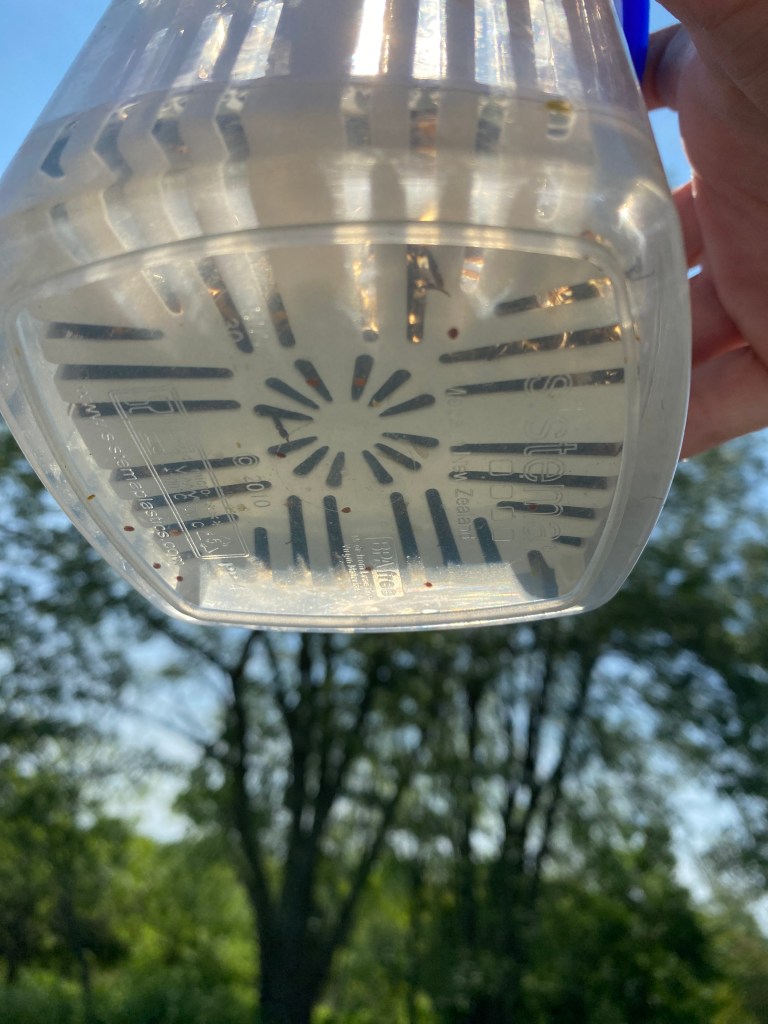
The #1 cause of winter loss in North America is the Varroa destructor mite.
And here’s the part most beginners don’t realize:
By the time you see mites in fall, it’s already too late.
Mite populations explode during spring and summer brood production.
High mite levels in August create weak, virus-infected winter bees.
What to do this spring:
• Start monitoring mites once drones appear
• Perform alcohol wash or sugar roll monthly
• Treat when thresholds are exceeded
• Don’t wait until September
Healthy winter bees are raised in late summer — and they must be mite-free.
- Letting a Failing Queen Continue Too Long
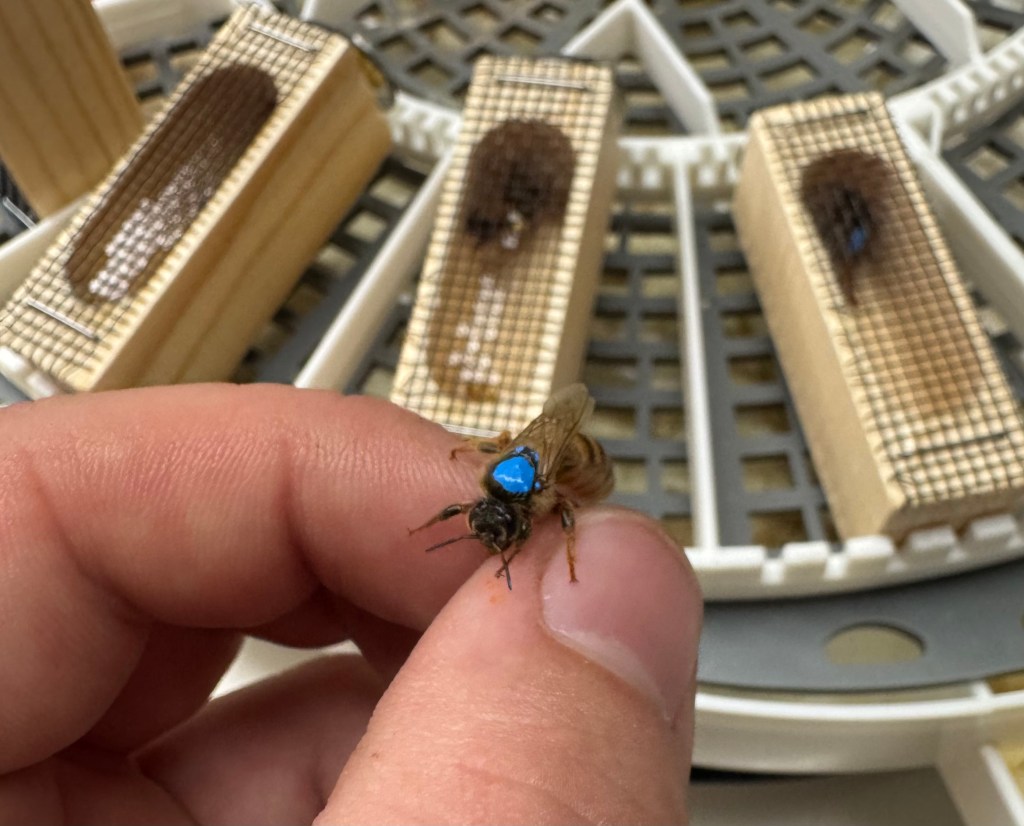
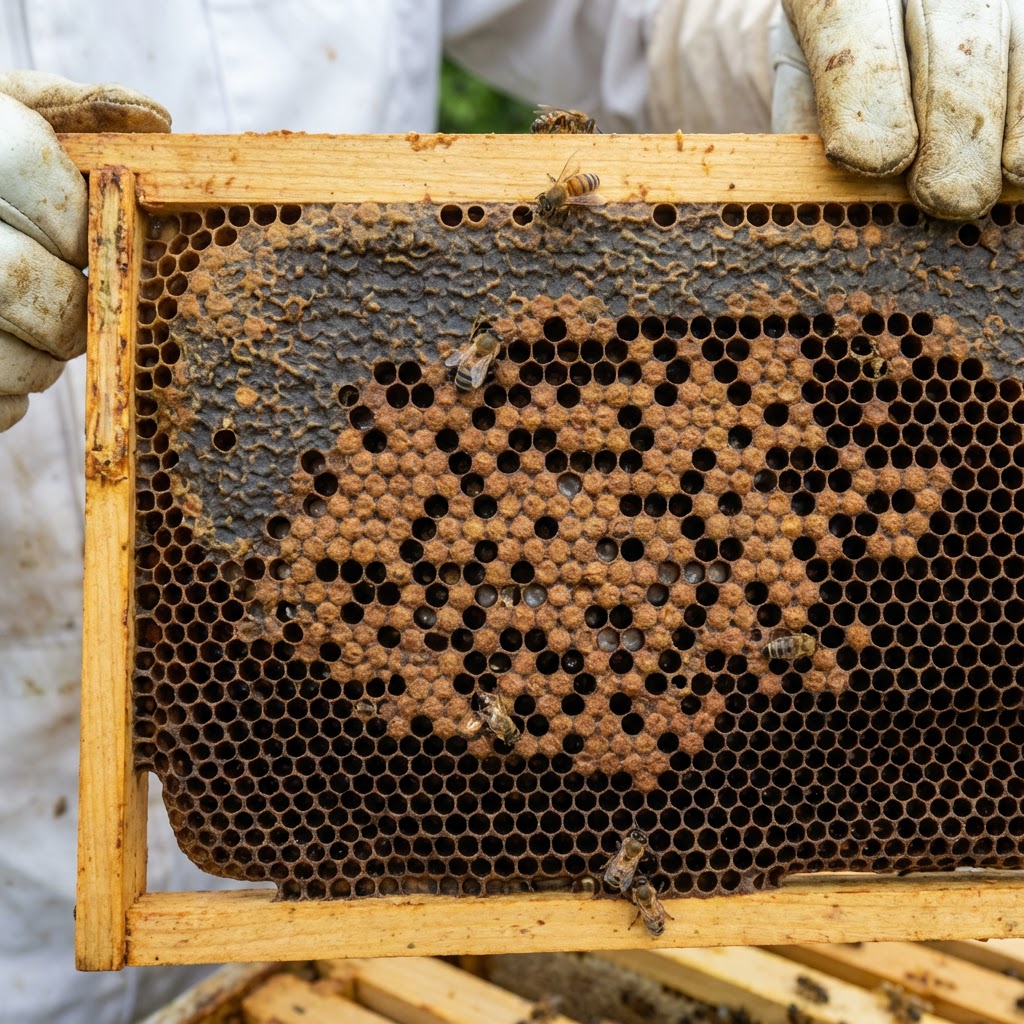
A queen that is:
• Laying inconsistently
• Producing scattered brood
• Slowing down early
…will create a population gap months later.
That gap shows up in fall — when you need maximum numbers.
New beekeepers often hesitate to requeen.
But a struggling queen in May means a struggling colony in October.
What to do:
• Evaluate brood every 2–3 weeks
• Look for solid brood patterns
• Requeen early rather than late
• Don’t “hope it improves”
Strong queens build strong winter clusters.
- Letting Colonies Get Stressed All Summer
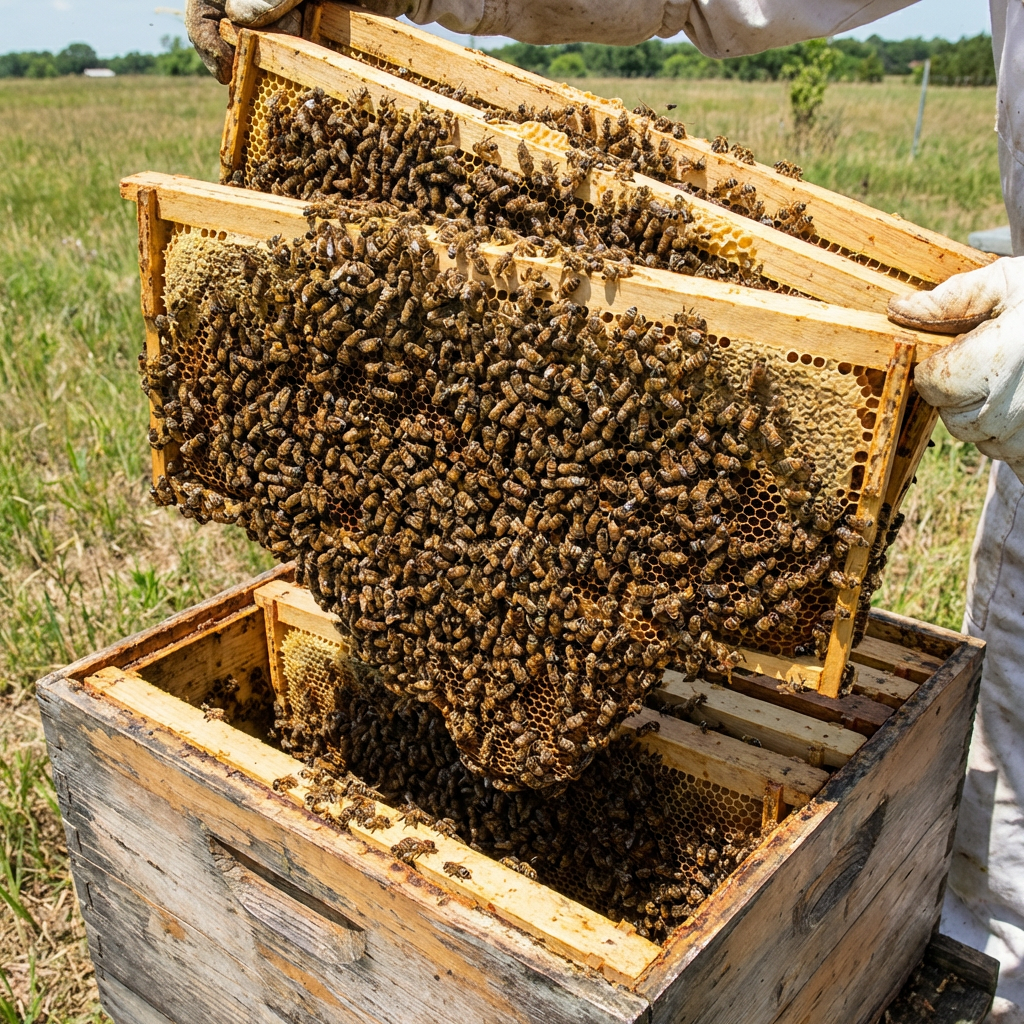
Stress compounds.
Summer stressors include:
• Overcrowding
• Poor ventilation
• Small hive beetles
• Robbing
• Drought nectar gaps
Each stress event reduces population strength and resource stores.
By fall, the colony simply doesn’t have the reserves to survive months of confinement.
What to do:
• Manage space before swarming
• Maintain ventilation
• Control pests early
• Prevent robbing during dearth
Healthy colonies aren’t lucky.
They’re managed proactively.
The Big Truth: Winter Survival Starts in Spring
When a hive dies in January, the problem usually began in:
• April (weak buildup)
• May (poor nutrition)
• June (unchecked mites)
• July (failing queen)
• August (stressed colony)
Winter doesn’t usually kill strong colonies.
Winter exposes weak ones.
If You’re a New Beekeeper…
Don’t wait until fall to think about winter.
Instead, ask yourself this at every spring inspection:
“Is this colony building the population it needs for next winter?”
If the answer is no — fix it early.
Small corrections in spring prevent total losses in winter.
🐝 Grab the Free 30-minute Spring Hive Reset Plan Checklist
Want a simple, beginner-friendly checklist to make sure you’re building a winter-surviving colony right now!
👉 Download the Free Spring Hive Starter Checklist
Because the best way to prevent winter loss…
Is to start in spring.
 Windy Maple Homestead
Leave a comment